Getting Houdini Destruction into Real Time
The interesting part of a big simulation is often what survives the trip into a game. These are a few Houdini setups I used to turn offline work into fracture pieces, textures, and emitter data.
Staged collapse
A bridge reads better when its structure fails in stages. I used a constraint hierarchy for the main frame, a directional forcefield to guide the break, and a separate pass for smaller debris.
Repeatable prop fractures
For repeated industrial props, the setup separates inside faces from the outer shell and groups tiny shards into larger clusters. That saves hand cleanup and keeps the rigid-body count manageable.
Ground cracks
A heightmap can only push along the surface normal. For cracks with lateral tearing, I baked 3D vector displacement and tangent normals in Houdini COPs.
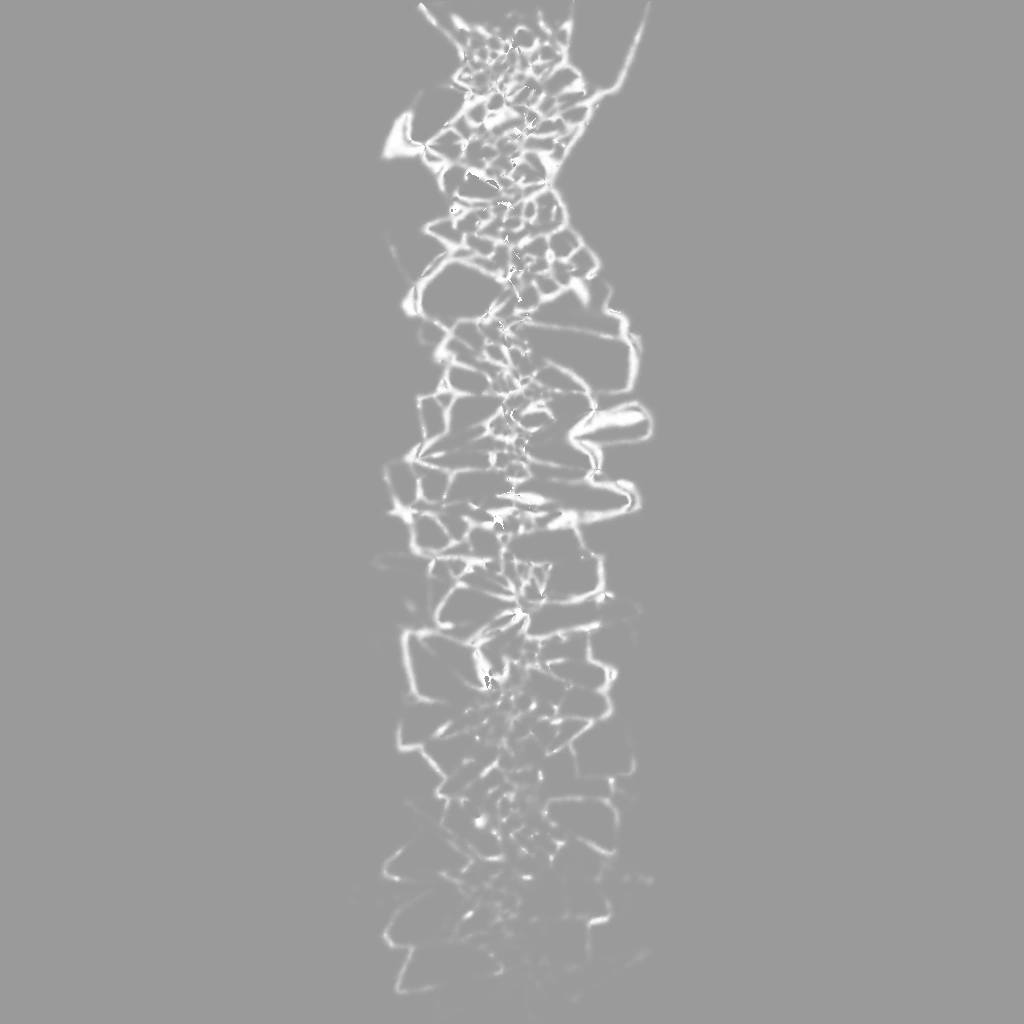
Color / Mask
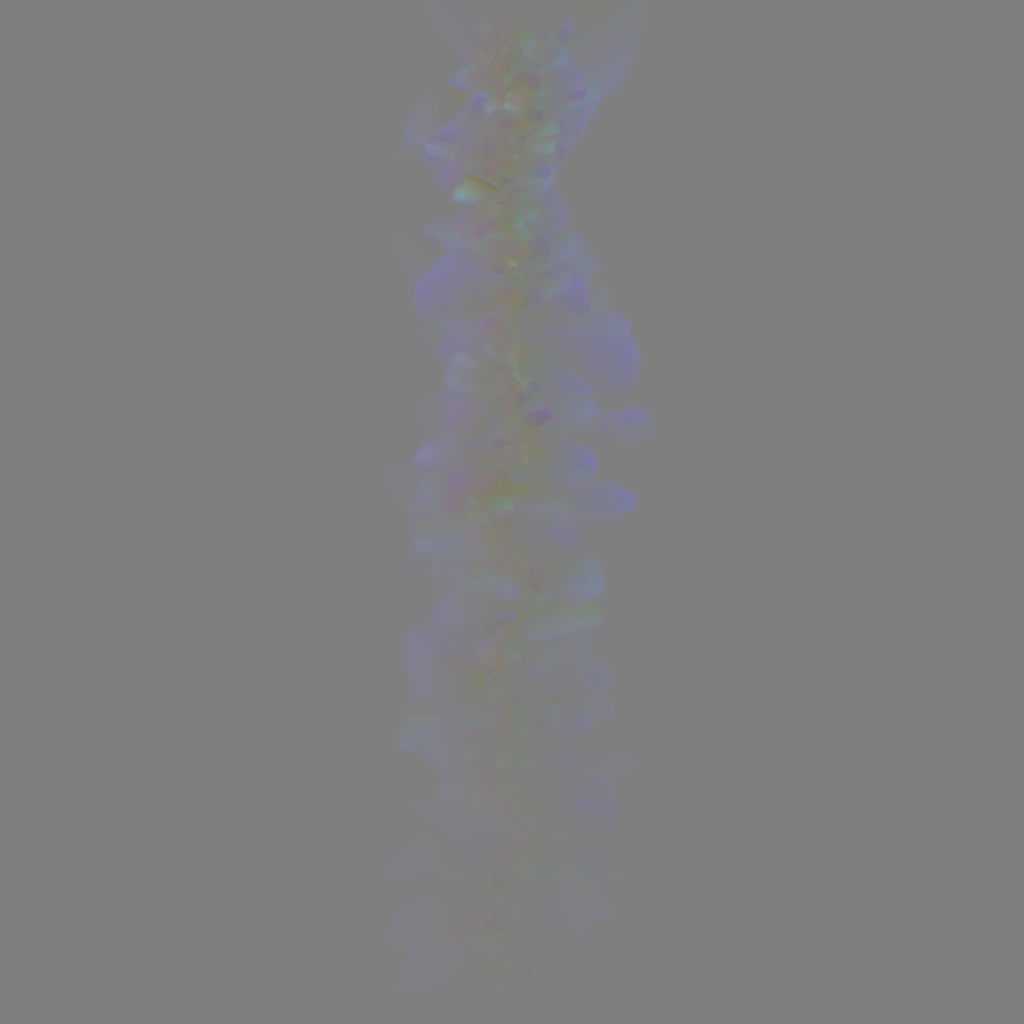
Vector Displacement
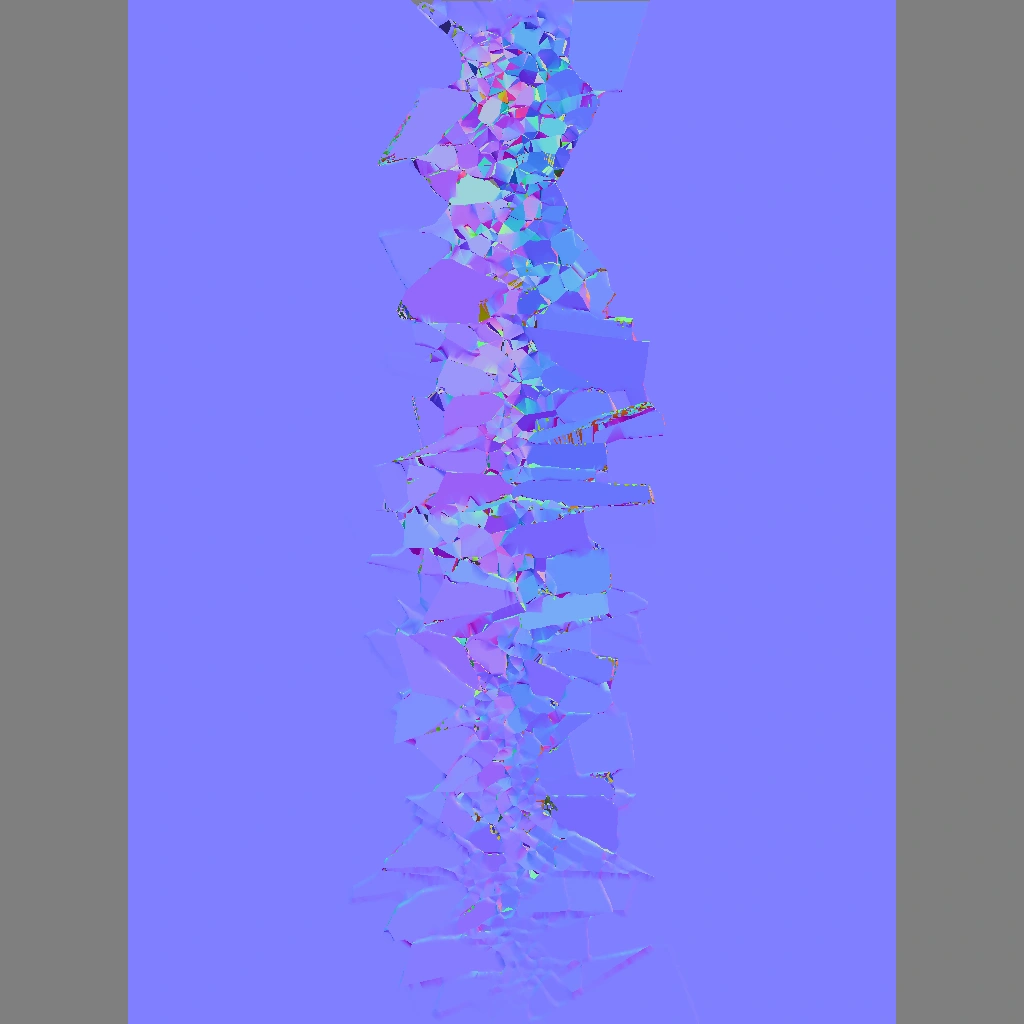
Tangent Normal
The same bake works for the growing-root variant:
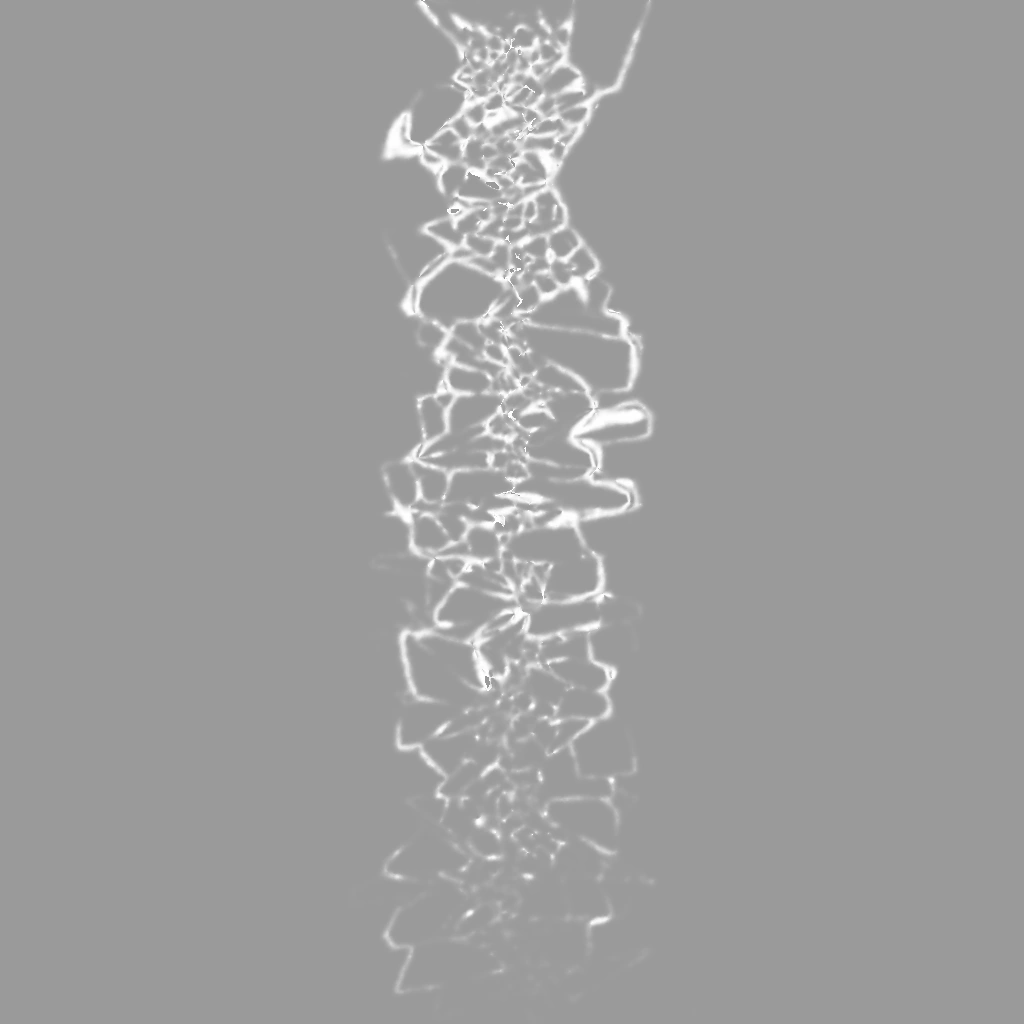
Color / Mask
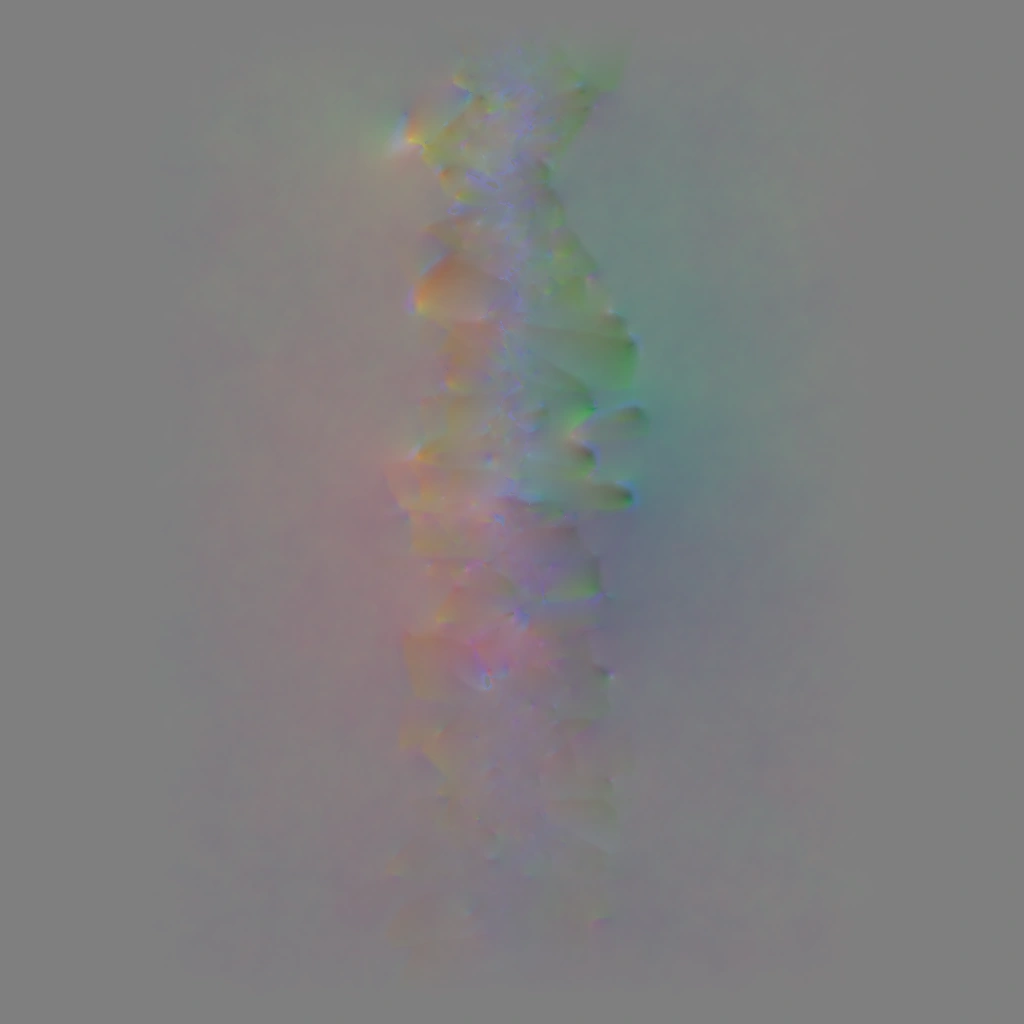
Vector Displacement
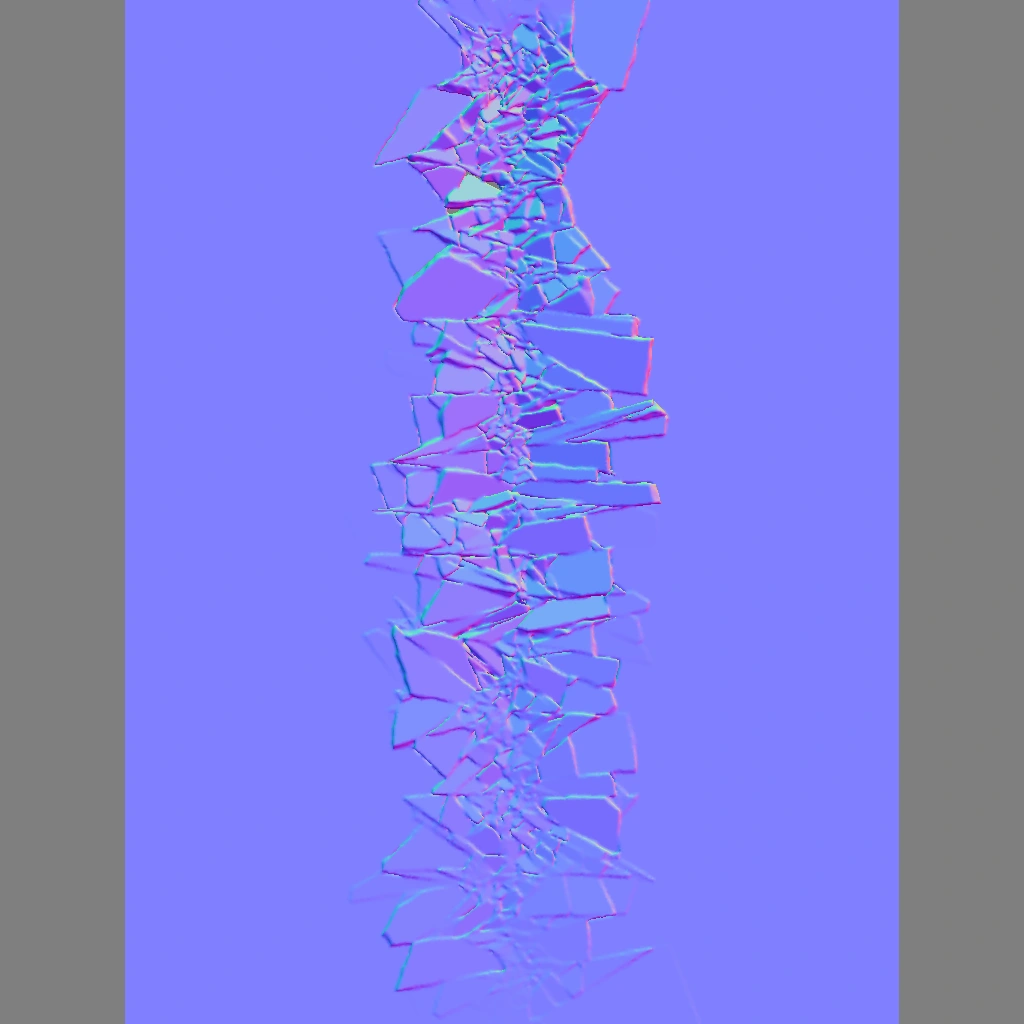
Tangent Normal
Volume slices
The slice_vdb setup normalizes density and temperature, cuts the volume into 50 Z-slices, and packs them into a 4096 × 4096 atlas for a runtime raymarch shader. It trades a live fluid simulation for texture data that is easier to budget.
Liquid impacts
I split the splash into velocity-driven spray and contact masks for surface splats, then checked the result in a real-time viewport:
The common thread is keeping control of the look offline while giving the runtime something lighter to draw.